
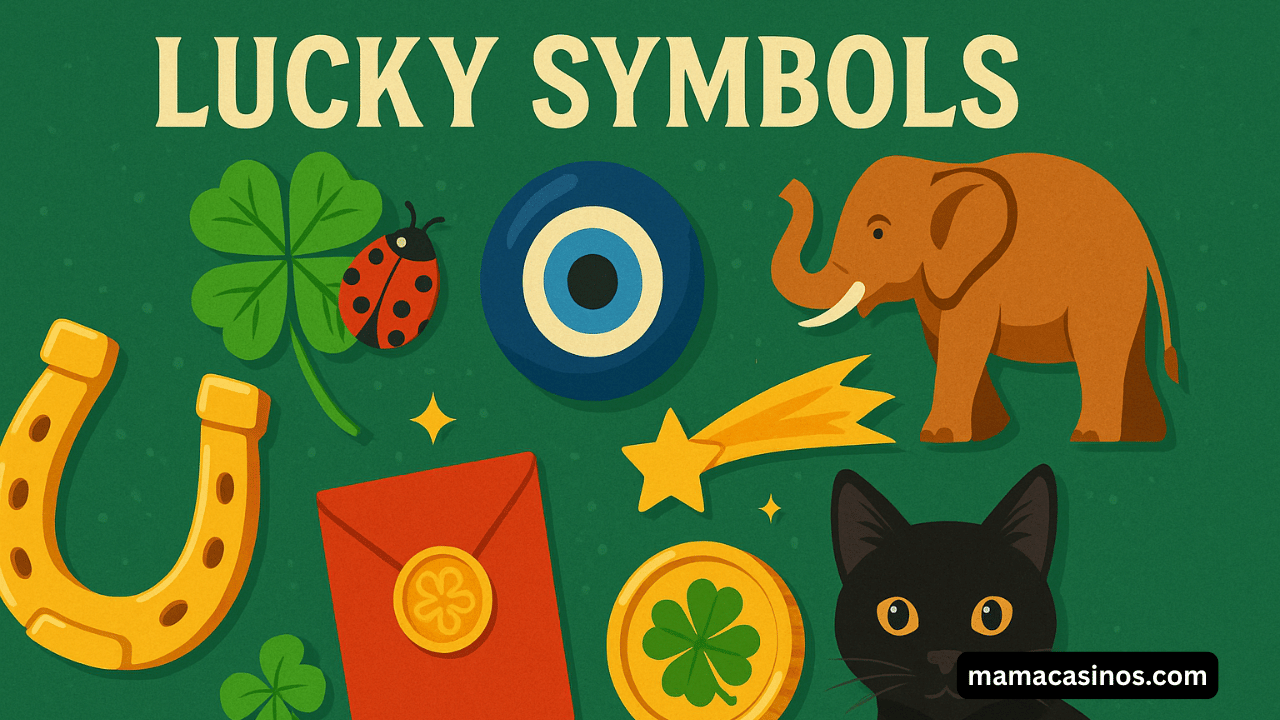
Lucky symbols have been part of human history for thousands of years. Across cultures, religions, and traditions, people have always looked for signs, charms, and objects believed to bring good fortune. Whether it’s a lucky coin in your pocket, a charm on your bracelet, or a symbol in your home—these items are seen as powerful tools for attracting positive energy.
But do you really know all the lucky symbols around the world?
From ancient to modern times, every culture has its own unique icons of luck, prosperity, health, and protection.
This complete guide explores the most famous lucky symbols, their meanings, origins, and how people use them today.
What Makes a Symbol “Lucky”?
Before we explore the list, it’s important to understand why certain objects are considered lucky.
A symbol becomes lucky because of:
✔ Belief and tradition
People pass down beliefs about symbols through generations.
✔ Cultural meaning
Many symbols come from mythology, history, or religion.
✔ Psychology
Holding or seeing a lucky item boosts confidence and reduces stress.
✔ Rituals
Some items gain power through rituals, practices, or ceremonies.
Lucky symbols aren’t just superstition—they are connected to deep cultural and emotional significance.
The Most Popular Lucky Symbols Around the World
Let’s explore the most well-known universal lucky symbols and what they represent.
1. Four-Leaf Clover – A Global Sign of Luck
One of the most famous symbols, the four-leaf clover, is rare and therefore associated with good fortune.
Meaning of the Four Leaves
-
First leaf: Faith
-
Second leaf: Hope
-
Third leaf: Love
-
Fourth leaf: Good Luck
Because four-leaf clovers are rare (1 in 5,000), finding one is believed to bring unexpected blessings.
2. Ladybug – Symbol of Protection and Good Luck
Many cultures believe that if a ladybug lands on you, good luck is coming.
Different beliefs:
-
In Europe, ladybugs protect against bad harvests
-
In the US, they represent wishes coming true
-
In Asia, they symbolize love and romance
The red color also represents positivity and protection.
3. Evil Eye (Nazar) – Protection Against Negativity
Common in Greece, Turkey, the Middle East, and India, the Nazar is a blue eye-shaped amulet used to protect against envy and evil intentions.
What it protects you from:
-
Bad energy
-
Jealousy
-
Misfortune
-
Negative thoughts
It is worn as jewelry, hung in homes, or placed in cars.
4. Elephant With Raised Trunk – Good Luck and Wisdom
The elephant is a powerful symbol in Indian, African, and Asian cultures.
Meaning:
-
Strength
-
Protection
-
Good fortune
-
Memory and intelligence
-
Wealth
An elephant with its trunk raised upward is especially lucky and believed to shower blessings.
5. Red Envelopes – Chinese Symbol of Prosperity
In Chinese culture, red envelopes (Hongbao) are given during festivals and celebrations.
Symbolic meaning:
-
Financial abundance
-
Blessings
-
Happiness
-
A fresh start
The red color itself is a powerful symbol of joy and prosperity.
6. Shooting Stars – Wish Fulfillment
When people see a shooting star, they make a wish.
The belief comes from ancient cultures that stars carry messages from the divine.
Symbolizes:
-
Dream fulfillment
-
Positive change
-
Destiny
-
Life’s magic
A shooting star is a symbol of hope and miracles.
7. Horseshoe – Powerful Symbol of Protection
The horseshoe is used above doors to protect homes from negative energy.
Meaning based on position:
-
Facing upward: Collects and holds good luck
-
Facing downward: Spreads luck around the home
Iron was believed to repel evil spirits, adding to its power.
8. Black Cat – Good Luck in Some Cultures
While some places see black cats as unlucky, others consider them extremely lucky.
In:
-
Japan: Black cats attract love
-
UK and Scotland: Black cats bring wealth and fortune
-
Sailors: Kept black cats for protection at sea
Black cats are misunderstood symbols—often representing protection and intuition.
9. Shamrock – Irish Symbol of Good Fortune
Unlike the four-leaf clover, the shamrock has three leaves.
Meaning:
-
Trinity (Christian belief)
-
Harmony
-
Peace
-
Prosperity
It is widely used during St. Patrick’s Day celebrations.
10. Pig – Symbol of Wealth and Abundance
In German culture, pigs symbolize good luck.
Why?
-
They represent prosperity
-
Abundant food
-
Strength and fertility
Pig figurines are popular during New Year celebrations for this reason.
11. Crystal and Gemstone Symbols
Certain crystals are believed to bring luck:
-
Citrine: Wealth and abundance
-
Jade: Protection and prosperity (especially in China)
-
Tiger’s Eye: Courage and confidence
-
Clear Quartz: Success and clarity
People use them for healing, meditation, and manifesting good fortune.
12. Dragons – Eastern Symbol of Power and Success
In Chinese and Japanese culture, the dragon is not a monster but a wise and powerful guardian.
Represents:
-
Success
-
Strength
-
Leadership
-
Wisdom
-
Protection
Dragons are believed to bring a flow of positive energy (Chi).
13. Apples – Symbol of Health and Harmony
In many cultures, apples symbolize:
-
Love
-
Healing
-
Prosperity
-
Protection
They are also associated with good health.
14. Fish – Symbol of Wealth
Fish are lucky symbols in:
-
China (Koi fish)
-
Japan (Carp)
-
Christianity (Ichthys symbol)
-
Hinduism
Fish represent:
-
Wealth
-
Fertility
-
Strength
-
Freedom
-
Spiritual blessings
15. Lucky Coins – Universal Symbol of Wealth
Coins have been used as lucky charms for centuries.
Famous types:
-
Chinese Feng Shui coins
-
Old silver coins
-
Lucky penny (US belief: “Find a penny, pick it up…”)
Coins symbolize prosperity, fortune, and opportunity.
16. Lotus Flower – Symbol of Purity and Transformation
A powerful symbol in Asian cultures, the lotus represents:
-
Spiritual growth
-
New beginnings
-
Purity
-
Enlightenment
It grows in muddy water but blooms beautifully—symbolizing resilience.
3. Why Do People Use Lucky Symbols?
Lucky symbols are not just “charms.” They influence our minds, confidence, and emotions.
🔹 Psychological Benefits:
-
Reduce stress
-
Boost confidence
-
Improve decision-making
-
Increase positivity
🔹 Cultural Significance:
They bring a sense of connection to heritage and tradition.
🔹 Emotional Comfort:
Many people feel protected, safer, and more hopeful when they use lucky symbols.
How People Use Lucky Symbols Today
Lucky symbols are used in many ways today:
✔ Jewelry
Necklaces, bracelets, rings with lucky charms.
✔ Home Décor
Horseshoes, dream catchers, elephants, evil eye décor.
✔ Personal Items
Keychains, wallets, phone cases.
✔ Tattoos
Many people tattoo lucky symbols to bring constant good energy.
✔ Gaming and Gambling
Gamers and casino players often carry lucky items for confidence.
How to Choose Your Own Lucky Symbol
Choosing a lucky symbol is personal. You should consider:
✔ What symbol you connect with
✔ What energy you need (love, money, protection, health)
✔ Your cultural background
✔ What makes you feel positive
Most importantly, choose something meaningful.
Lucky Symbols in Modern Gaming and Casino Culture
Gamblers and players often use lucky charms:
-
Lucky coins
-
Rabbit foot charms
-
Special clothing
-
Four-leaf clovers
-
Crystal bracelets
-
Dice keychains
The belief isn’t about magic—it’s about mindset, confidence, and positive energy.
Conclusion: Lucky Symbols Carry Stories, Power, and Meaning
Lucky symbols aren’t just objects. They carry stories, heritage, emotions, and hope. Whether you believe in them spiritually, psychologically, or culturally, these symbols add positivity to life.
Do you know them all?
Now you do!
And with this knowledge, you can choose the symbols that speak to you—and bring more luck, protection, and happiness into your life.
FAQs – Lucky Symbols
1. What is the most famous lucky symbol in the world?
The four-leaf clover is recognized globally as a symbol of rare luck.
2. Do lucky symbols actually work?
They work psychologically by boosting positivity and confidence.
3. Are lucky symbols cultural?
Yes—every culture has its own symbols of luck.
4. What is the strongest lucky symbol for wealth?
Chinese Feng Shui coins, Koi fish, and the elephant with raised trunk.
5. What is the lucky symbol for protection?
The evil eye (Nazar) is one of the most powerful protection symbols.
6. Can I choose my own lucky symbol?
Yes—personal connection matters more than tradition.
7. Are crystals considered lucky symbols?
Yes—crystals like citrine or jade are used for luck, healing, and abundance.
8. Are lucky symbols used in casinos?
Many players use charms to boost confidence and focus.